
Rising UK inflation expectations, further tariff escalations, and the contradictory nature between AI growth and climate goals are three key stories shaping the economic landscape this week. Let’s unpack what they mean for your money, your bills, and Britain’s future direction.
🇬🇧 UK Inflation Expectations Edge Higher
A new Citi/YouGov survey has revealed that UK households now expect inflation over the next five to ten years to average 4.1%, up from 3.9% a month ago. While the change might sound small, the figure is striking when set against the Bank of England’s 2% inflation target. It suggests that people simply don’t believe prices will return to “normal” anytime soon.
Why does this matter? Inflation expectations often influence behaviour. If workers expect their cost of living to rise more sharply in the years ahead, they are more likely to demand higher wages. They may also save more in preparation for future high prices, leading to slowing business and economic growth. Businesses, anticipating higher costs, may raise their prices sooner rather than later. This cycle can create second-round effects, where expectations drive actual inflation higher.
For the Bank of England, unanchored expectations could mean keeping interest rates higher for longer, in order to reassure the public that inflation will be controlled. Mortgage rates are more likely to stay elevated, affecting those coming off fixed deals. Savers might benefit from higher returns, but government debt also becomes more expensive to service. The result is less fiscal room for tax cuts or extra spending, meaning tighter budgets for both households and the state.
US Slaps Tariffs on Branded Drugs
The US has announced it will impose 100% tariffs on imported branded pharmaceuticals unless manufacturers establish production facilities in America. The move is part of a broader protectionist shift under President Trump, who has already raised tariffs on trucks, steel, and furniture. The aim is to boost domestic manufacturing and reduce reliance on overseas suppliers.
For the UK, this development matters more than it might appear at first glance. Britain is a major importer of branded medicines, many of which are used within the NHS. If US manufacturers pass on higher costs or redirect supplies to avoid tariffs, the UK could face price increases or even shortages of certain drugs. Already, the UK has signalled that it is prepared to increase its spending on medicines to safeguard trade relations and to prevent further investment into Britain from being pulled, after the recent announcements from Merck and AstraZeneca.
For households, the consequences are twofold. First, any increase in the NHS drugs bill ultimately comes back to taxpayers, either through higher taxes or reduced spending elsewhere in the system. Second, patients may face delays or reduced access to medicines if the supply chain is disrupted. At the same time, the policy could create opportunities for UK and European pharmaceutical firms to expand production and fill the gap, potentially supporting jobs and investment at home. But the broader risk is a creeping trade war, where tariffs extend beyond medicines and raise prices more widely.
The Green Paradox
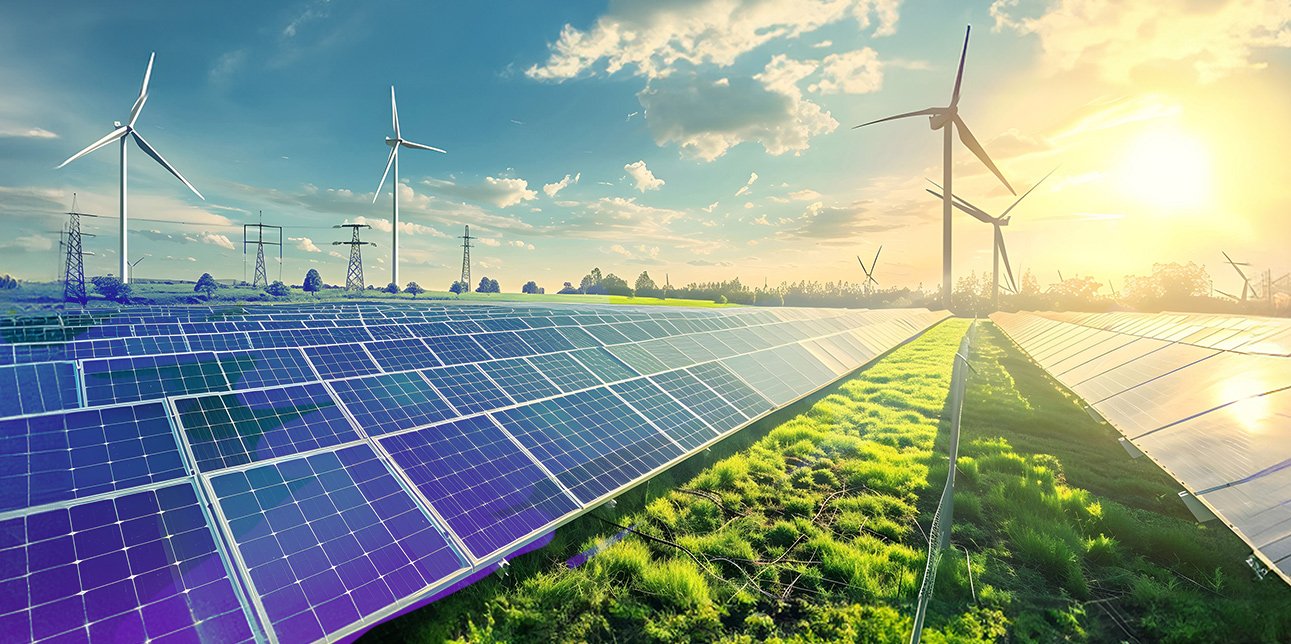
Britain’s climate ambitions and its technology ambitions are beginning to collide. On the one hand, the UK has legally committed to reaching net zero carbon emissions by 2050. On the other, demand for electricity is set to surge, fuelled by massive investments in AI, data centres, and quantum computing infrastructure. Each new facility consumes huge amounts of power, far more than traditional office or industrial sites.
This creates a difficult balancing act. If the UK presses ahead with large-scale digital infrastructure without rapidly expanding clean energy supply, the grid may struggle to keep up. That could force the country to rely more heavily on fossil fuels for backup power, undermining climate goals. Alternatively, if climate priorities dominate, the UK may find it harder to compete in the global race for AI investment.
For households, this tension could show up in higher electricity bills, particularly if supply struggles to meet demand. It may also mean slower progress in reducing emissions, delaying the benefits of cleaner air and more stable energy prices. On the positive side, the government is already moving to expand nuclear capacity and accelerate renewable projects to meet both goals at once. Whether the UK can reconcile its climate promises with its digital ambitions will be one of the defining economic challenges of the next two decades.
💼 Unpacked
Unanchored expectations – When people’s and businesses long term beliefs about future economic targets shift away from the central bank’s target. Unanchored expectations can become self-fulfilling if people and firms adjust their behaviour based on their new outlook.
Debt servicing – The interest payments the government makes on its national debt. Higher inflation and interest rates can cause these to increase.
Protectionism – The theory of protecting domestic industries from foreign competition by introducing or increasing taxes on imports (tariffs).
Net zero – Achieving a balance between greenhouse gases emitted and removed from the atmosphere, which the UK has pledged to reach by 2050.
📣 Enjoying The Fiscal Compass?
That’s all for this week’s edition of The Fiscal Compass. If you found it useful, please share it with a friend, subscribe for free to stay up to date, and check out @thefiscalcompassofficial on Instagram for quick snapshots into my articles and the economy.