

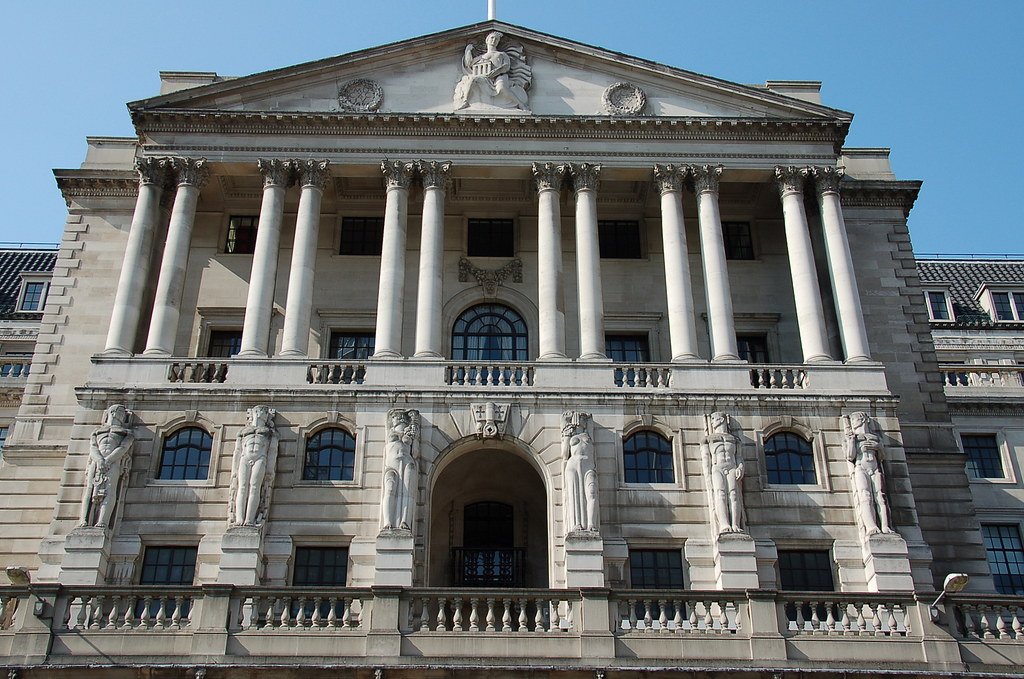
The Bank of England has taken its first small step in loosening post-2008 banking rules. Deposit protection is being lifted to £120,000, giving savers more certainty during turbulent periods. And UK manufacturing has finally edged back into growth after a long slump. This edition looks at what’s behind these moves and what they could mean for people and firms heading into 2026.
🇬🇧 BoE Loosens Capital Requirements for Banks
The BoE’s December 2025 decision to lower the Tier 1 capital requirement for UK banks from 14 % to 13 % marks the first regulatory easing of its kind since the global financial crisis. While a one-percentage-point drop might appear modest, it’s significant as it reduces the cushion banks must hold against risky assets or potential losses. That reduction frees up capital, which banks may lend to businesses and households.
The backdrop is important. All of the UK’s major lenders recently passed the BoE’s stress tests under severe economic-shock scenarios. Regulators judge the overall capital framework is sufficiently robust, prompting this recalibration. The stated aim is to balance financial stability with a revived push for credit growth.
For homeowners, small-business owners or companies seeking investment, this could translate into easier access to credit, lower borrowing rates or more willingness by banks to underwrite mortgages or business loans. For the wider economy, increased lending may boost growth, investment and consumption. That said, the regulatory easing comes even as BoE officials caution about emerging risks, including possible over-valuation in certain sectors and broader macroeconomic vulnerabilities. Regulators are betting that, for now, banks can safely shoulder a bit less capital, in exchange for jump-starting lending and economic activity.
Deposit Protection Raised to £120,000
From 1 December 2025, the FSCS protection limit for UK bank, building society and credit-union deposits rises from £85,000 to £120,000 per individual and institution. The increase, the first since 2017, reflects inflation over recent years, making the guarantee more meaningful again in real terms.
In practice, this means that if a bank or savings provider fails, savers are now more likely to get their money back, up to the new threshold. Importantly, protection for temporary high balances (for example, funds from a house sale or inheritance) is also rising, from £1 million to £1.4 million for up to six months.
This change bolsters confidence among depositors. In times of economic stress or uncertainty, knowing that savings are protected reduces the risk of panic withdrawals, which in turn helps avoid bank runs or destabilisation of smaller banks. The scheme’s administrators have described the revision as one step in modernising consumer safeguards to match current economic conditions.
For ordinary households, the higher limit means more peace of mind. Everyday savings, rainy-day funds, or balances ahead of a big purchase are now better protected. For the broader financial system, improved depositor confidence supports stability, an important complement to the BoE’s easing of capital rules, at a time when regulators are hoping to encourage lending while maintaining trust.
UK Manufacturing Showing Signs of Growth
In November 2025, the manufacturing sector in the UK recorded its first increase in activity since September 2024. The UK Purchasing Managers’ Index (PMI) climbed to 50.2, up from 49.7 in October. The threshold of 50 marks the boundary between contraction and expansion.
The uptick reflects modestly stronger domestic demand and a relative easing in export costs. According to PwC UK, the rise in PMI suggests a fragile but encouraging shift. Large firms saw output gains, and business optimism hit a nine-month high. However, growth remains uneven. Manufacturers of machinery and equipment had a good month, but firms making everyday household products are still struggling.
For households and smaller businesses anxiously watching the UK economy, this development matters. If manufacturers perceive stable or improving demand, it could help preserve or create jobs, support supplier firms, and feed into slightly stronger domestic spending. For the national economy, renewed manufacturing activity, however small, could be a counterweight against the sluggish spending or investment forecasts.
This is not a dramatic recovery, but rather a cautious return from a long downturn. The uneven nature of the rebound underscores the persistent structural challenges of inflation-related pressures and geopolitical uncertainty.
💼 Unpacked
Liquidity – The ease and speed with which an asset can be converted into cash.
Capital/Reserve Requirements – Rules regarding how much cash and liquid assets a bank must hold. Higher requirements make banks more resilient and able to absorb shocks but can restrict lending capability. Lower requirements can free up funds to lend but reduce the banks’ safety net.
Bank Runs – A bank run is when many people try to withdraw their money from the bank at the same time because they fear the bank might fail. Deposit protection helps prevent this by reassuring people their money is safe.
Purchasing Managers’ Index (PMI) – A monthly survey of businesses that tracks whether activity is expanding or contracting. A reading above 50 signals growth and below 50 signals decline.
📣 Support The Fiscal Compass
If you found this useful, please share it with someone who’d enjoy it. It genuinely helps The Fiscal Compass grow. You can also subscribe if you haven’t yet, and follow along on social media for quick breakdowns.
Instagram: @thefiscalcompassofficial
X (Twitter): @FiscalCompass
LinkedIn: Vinay Meisuria
Featured Image: Bank of England, Flickr
Sources: Bank of England, Trading Economics