

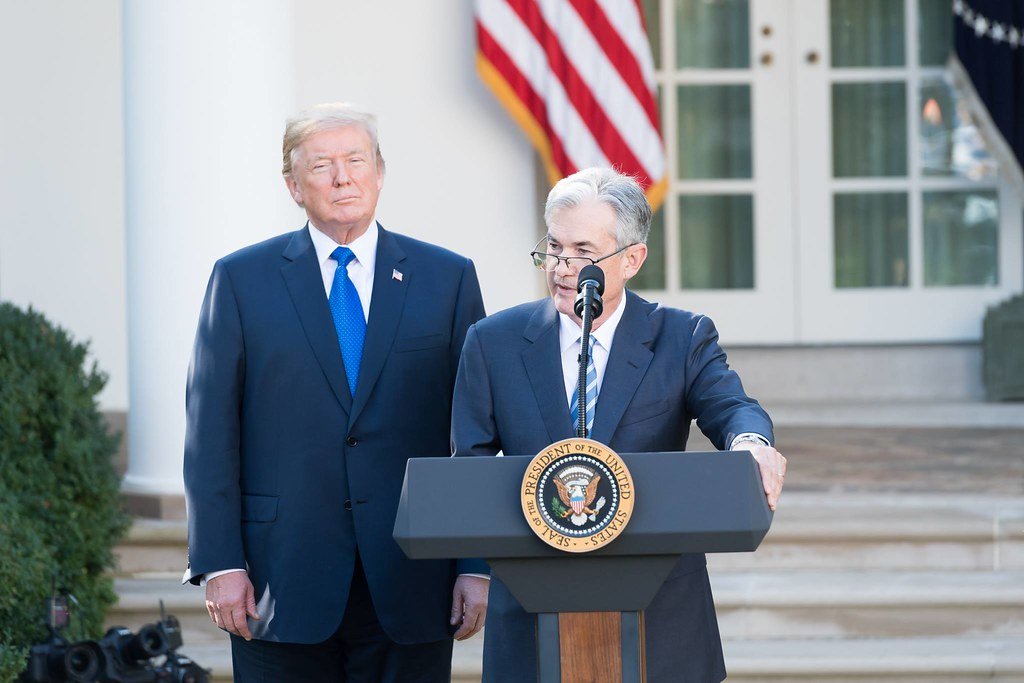
The Bank of England and the Federal Reserve are both in precarious positions, just for different reasons. While the UK is faced with a mix of rising prices and slowing wage growth, the Federal Reserve is under investigation by the US Department of Justice. Here’s what it means for you.
🇬🇧 UK Inflation Rises to 3.4% in December
In December 2025, the UK’s headline inflation rate rose to 3.4% on the year, up from 3.2% in November and slightly higher than the 3.3% City economists had forecast. This marked the first uptick in five months and interrupted a downward trend driven by earlier falls in prices for some everyday items.
Two key components explain this rise: Transport costs, particularly air fares, jumped as seasonal travel picked up over the holiday period. Food and non-alcoholic beverages, especially staples like bread and cereals, continued to contribute to inflationary pressure.
For households, this means some everyday costs are still climbing faster than desired, even as broader inflation has eased from the double-digit highs seen in 2022 and 2023. Most economists and market traders now expect the Bank of England’s Monetary Policy Committee (MPC) to hold the base rate at 3.75% at its February meeting rather than continuing cuts. This keeps investing costs high at a point where companies are already facing rising policy costs.
While many of the December price increases reflect seasonal or one-off factors, inflation remaining above 3% becomes more problematic when set against a labour market that is losing momentum. High price pressures easing through falling wages or weaker hiring is very different from inflation alongside a strong jobs market. When households face rising food and travel costs at the same time as slower pay growth and fewer job opportunities, the squeeze feels sharper and more persistent. This combination leaves the Bank of England (BoE) with little room to manoeuvre and raises uncomfortable questions about how resilient household finances really are. To understand why this matters, it’s worth looking more closely at what’s happening with the UK labour market.
The UK’s Weakening Labour Market
Recent labour market data paint a picture of an economy where price pressures persist even as jobs growth weakens. Official statistics show that average monthly pay growth, excluding bonuses, has slowed to 4.5% in the three months to November, down from 5.9% in February. At the same time, payrolls fell by 135,000 in the three months to November, despite the Christmas season approaching.
Employers are hiring less aggressively than before, and the number of payroll jobs has been trimmed as businesses adjust to higher costs and weaker demand. Vacancies, particularly in entry-level and graduate roles, have fallen significantly, with some sectors reporting fewer openings than at any point since before the pandemic.
Typically high pay growth drives inflation, and central banks have a clear idea of when to change rates. The stagflation-like conditions we have now, elevated inflation alongside a cooling labour market, creates a challenge for policymakers. It underlines why many forecasters see interest rates staying unchanged in the short term while the Bank of England watches for firmer signs of labour market slack before cutting rates.
Private sector wage growth in particular is losing momentum, squeezing household budgets as rising prices and mortgage costs eat into real incomes. For employers, weaker hiring and wages can reflect both lower confidence and a cautious stance on expanding, especially where government policies have raised employment costs.
Why Central Bank Independence Still Matters
The mix of persistent inflation, and slowing wage growth will give the Bank of England’s MPC a headache. However, they will be able to make potentially unpopular decisions, like holding rates, without fear of political pressure or interference. Central bank independence is a cornerstone of modern economies. Since 1997, the BoE has acted without government influence, and even earlier (1951) in the US. But, it’s back in the spotlight now.
In the United States, the Department of Justice has launched an investigation into Federal Reserve Chair Jerome Powell, which Powell describes as linked to broader political pressure to lower rates. Simultaneously, President Trump’s attempts to remove Fed governor Lisa Cook over alleged misconduct have been challenged in court, with the US Supreme Court expressing caution about undermining the Fed’s autonomy.
Currently, institutions like the Federal Reserve or the Bank of England set monetary policy free from short-term political pressure, so decisions on interest rates and inflation management are based on economic conditions, not electoral cycles or political demands. This was implemented to avoid situations where politicians may pressure the central bank to, for example, cut interest rates aggressively to boost growth before an election. Moves like this help their re-election chances at the expense of long-term inflation.
Embedding higher inflation expectations in the economy makes prices less predictable and increasing costs for households and firms alike. For everyday readers, this affects expenditures and the stability of jobs. When markets trust that a central bank will act independently, interest rate decisions tend to be clearer and more credible, reducing uncertainty for households planning purchases like homes and cars. Erosion of that independence risks bringing short-term political noise into decisions that should be grounded in economic realities.
💼 Unpacked
Core Inflation
Core inflation measures price changes excluding volatile items such as energy and food. Economists and central banks use it to assess underlying inflation pressures and judge whether price increases are temporary or likely to persist.
Seasonal Demand
Seasonal demand refers to predictable changes in spending that occur at certain times of each year, such as higher travel costs during the holidays or increased energy use in winter. They’re useful to know as they can temporarily push prices higher without an underlying shift in the sector.
Real vs Nominal Wages
Nominal wages are the amount you are paid in cash terms. Real wages adjust this figure for inflation and show how far pay actually goes in covering living costs. Real wages can fall even when nominal pay is rising.
Stagflation
Stagflation describes a period of weak economic growth and rising unemployment alongside elevated inflation. It creates a catch-22 for policymakers, as tools used to fight inflation can worsen growth, while measures to boost growth risk pushing prices higher.
📣 Support The Fiscal Compass
If you found this piece useful, share it with friends or colleagues, and subscribe to receive weekly posts straight to your inbox. Follow along on social media for quick updates throughout the week.
Instagram: @thefiscalcompassofficial
X: @FiscalCompass.
LinkedIn: Vinay Meisuria
Sources
ONS CPI, December 2025
ONS Average Weekly Earnings
ONS Labour Market Overview, January 2026
Featured Image: Fed Chair Jerome Powell and President Trump, Flickr