
Taxes on the rise, Washington has shut down, and big businesses could soon report results far less often. This week, we break down what these stories mean for businesses, households, and the wider economy.
🇬🇧 Which Taxes Could Be on the Rise?
With the government’s borrowing costs climbing and pressure mounting to plug fiscal gaps, new tax rises could be on the horizon, and VAT may be in the crosshairs. The Treasury is reportedly exploring a modest increase to the standard VAT rate, currently 20%, as a way to raise billions without tinkering with income tax. It’s politically easier to justify, few notice a one-or-two-point rise until their shopping basket total starts creeping up.
The gambling industry could also face a tax shake-up. A review of betting and casino levies is underway, with potential for higher duties on online gambling. This could quickly become a fast-growing source of Treasury revenue, especially as some argue this industry is undertaxed. The Betting and Gaming Council have warned this plan would push gamblers into illegal markets, however.
For households, this could mean pricier goods and entertainment. Businesses, especially in retail and hospitality, may face tighter margins as they decide whether to absorb costs or pass them on. In effect, VAT rises risk fuelling inflation even further. The government will hope their measures do not harm growth and living standards further.
🇺🇸 US Government Shuts Down
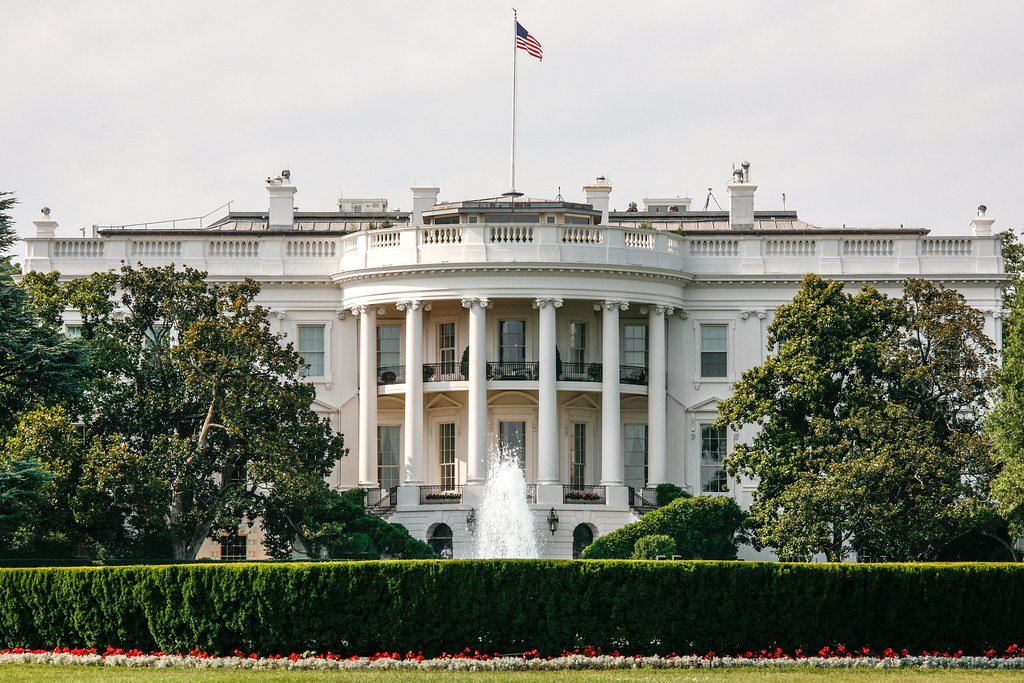
For the 21st time since 1976, the US government is facing a funding gap, a scenario where Congress fails to pass a spending bill in time, halting non-essential federal operations. As a result, the government has shut down, meaning hundreds of thousands of public employees are furloughed, national parks close, and some economic data releases are paused, all while the world’s largest economy limps along on temporary funding.
So, how did it come to this? Deep divisions within Congress, particularly over spending priorities, have stalled negotiations. Some want deep cuts; others push for more social funding, resulting in gridlock.
The economic fallout is immediate. Each week of shutdown trims roughly 0.1 percentage points off US GDP growth. Uncertainty around the government’s path forward will also shake consumer and investor confidence.
The path forward will likely involve a short-term “continuing resolution,” extending funding for a few weeks while talks drag on. But the shutdown drama exposes the broader issue of America’s political dysfunction, and how it is fast becoming one of its biggest economic risks.
Goodbye to Quarterly Reporting?
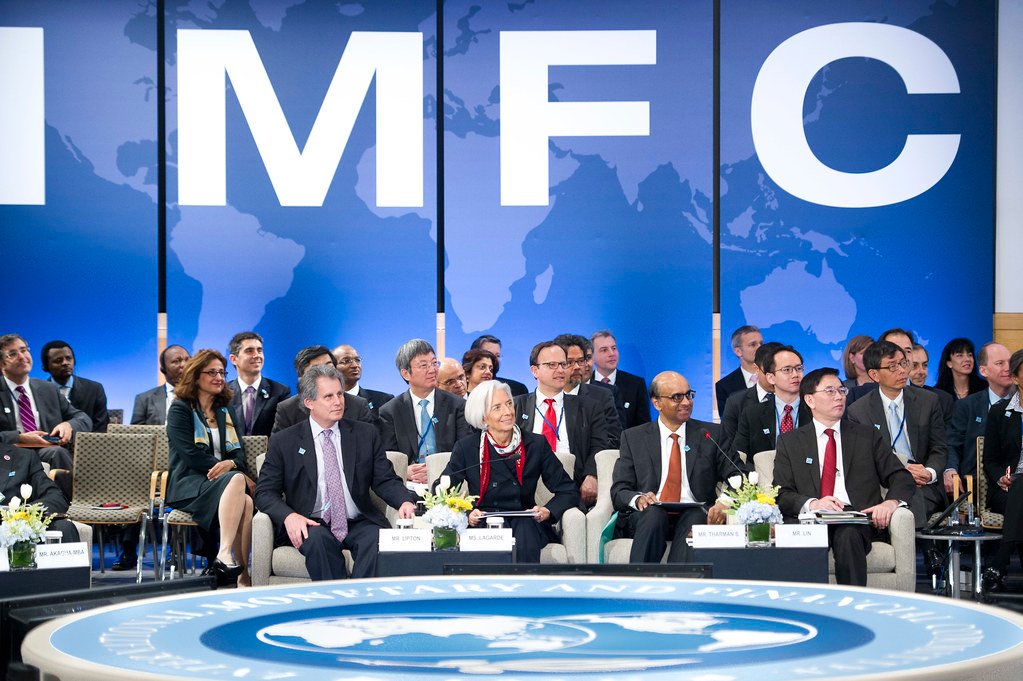
Quarterly results announcements might soon become a thing of the past. President Trump and the SEC has backed the move to bi-annual reporting, easing the short-term focus that’s come to dominate financial markets.
When companies are forced to report every three months, executives often prioritise quick wins to impress investors, rather than making decisions that benefit long-term growth. Moving to six-monthly updates could give leaders breathing space to plan, innovate, and invest without the constant pressure of “meeting the quarter.”
Critics, however, worry about transparency. Less frequent reporting could make it harder for investors to monitor performance and spot red flags early. It could also reduce market efficiency, with share prices taking longer to reflect company fundamentals.
For investors, this shift would demand a change in mindset, from trading momentum to patience. For firms, it might mean a healthier focus on strategy over short-term profits. Whether this marks the end of corporate short-termism or just delays it remains to be seen.
💼 Unpacked
Value Added Tax (VAT) – A tax added to most products and services. It is paid by the business, but it is the consumer that bears the burden as the firm will pass it on in the form of higher prices.
Corporate reporting – Each quarter, companies that are publicly traded must report their financial information. This includes the income statement, balance sheet, and cash flow statement. The proposal is the US would see this shift to every six months instead.
SEC – The United States Securities and Exchange Commission. An independent agency of the federal government that maintains fair financial markets by enforcing securities law and regulating market participants.
📣 Enjoying The Fiscal Compass?
If you found this week’s breakdown useful, please share it with a friend who wants to understand what’s really going on in the economy.
And don’t forget to subscribe for next week’s issue, plus follow @thefiscalcompassofficial on Instagram for quick, visual explainers throughout the week.