

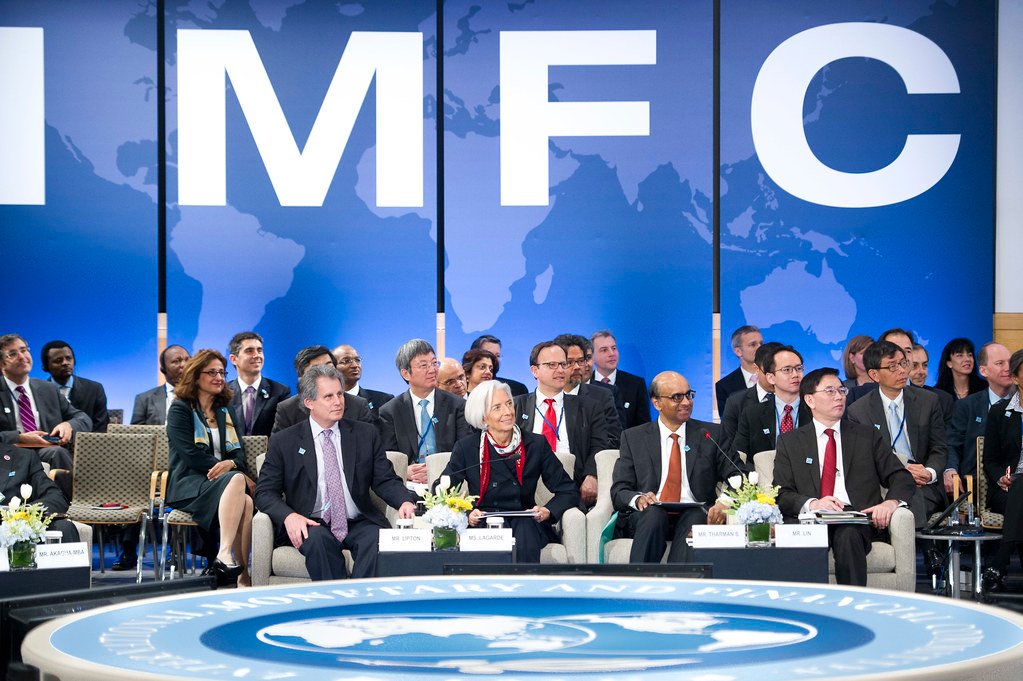
The Bank of England hints at slower rate cuts, the IMF tweaks its global outlook, and gold and silver prices are soaring to new highs. Small shifts in tone or data can have big effects on your mortgage, savings, and investments, so here’s what you need to know.
🇬🇧 The Bank of England’s Forward Guidance
The Bank of England hasn’t cut interest rates yet, and its message is getting more cautious. In recent speeches, some policymakers, including BoE Chief Economist Huw Pill, have hinted that when rate cuts begin, they’ll likely be gradual. That subtle change in tone has already affected markets. Government bond yields have nudged higher, and mortgage rates have stopped falling as quickly as expected.
This is a good example of “forward guidance”, when central banks influence financial conditions simply by signalling their intentions. Markets and lenders don’t wait for an official move; they react instantly to what the Bank says. So, even a hint of slower cuts can lift borrowing costs long before any decision is made.
For households, it means mortgage relief might take longer to filter through. For savers, it could mean deposit rates stay attractive for a while yet. And for investors, waiting for official changes before reacting may be too late, underscoring policy communication is as powerful as policy itself.
🌎 Global Growth Edges Higher, But Risks Are Rising Too
The International Monetary Fund’s (IMF) latest World Economic Outlook brought cautious optimism with global growth for 2025 now expected to reach 3.2%, a slight improvement on earlier forecasts. The upgrade reflects resilience in major economies like the US and India, but the Fund also warned that geopolitical risks, stubborn inflation and rising public debt could make that recovery fragile.
At first glance, a small percentage change may not seem important. But growth forecasts shape how investors, governments and central banks plan ahead. For the UK, stronger global growth usually means better export opportunities, more stable supply chains and less inflationary pressure from imported goods. It can also boost business confidence, encouraging investment and hiring.
Still, the IMF’s warning on debt and trade tensions is worth watching. If conditions worsen, global demand could soften quickly, pulling UK growth down with it. For households, that could translate to slower wage growth and more uncertainty about interest-rate cuts. The global economy is steady for now, but its footing remains shaky, and what happens abroad will continue to shape the UK’s economic outlook.
Gold and Silver Surge: What’s Driving It and What’s Next
Gold and silver prices have surged to levels never seen before, with gold recently breaking $4,300 an ounce and silver touching $50. The rally has been driven by expectations of lower interest rates, a weaker US dollar, and heightened geopolitical uncertainty across the Middle East and Asia. Investors often buy precious metals when they expect central banks to ease interest rates, as returns on money in the bank is reducing, or when global risks rise, seeing them as a store of value in uncertain times.
Straight after gold hit its record high, it dropped by 4%. Some analysts warn the rally might have gone too far and technical indicators now show both metals are overbought. The Bank of England is already tempering expectations of further rate cuts and if the Fed follows suits, prices could correct further. Even slight shifts in expectations can trigger sharp pullbacks.
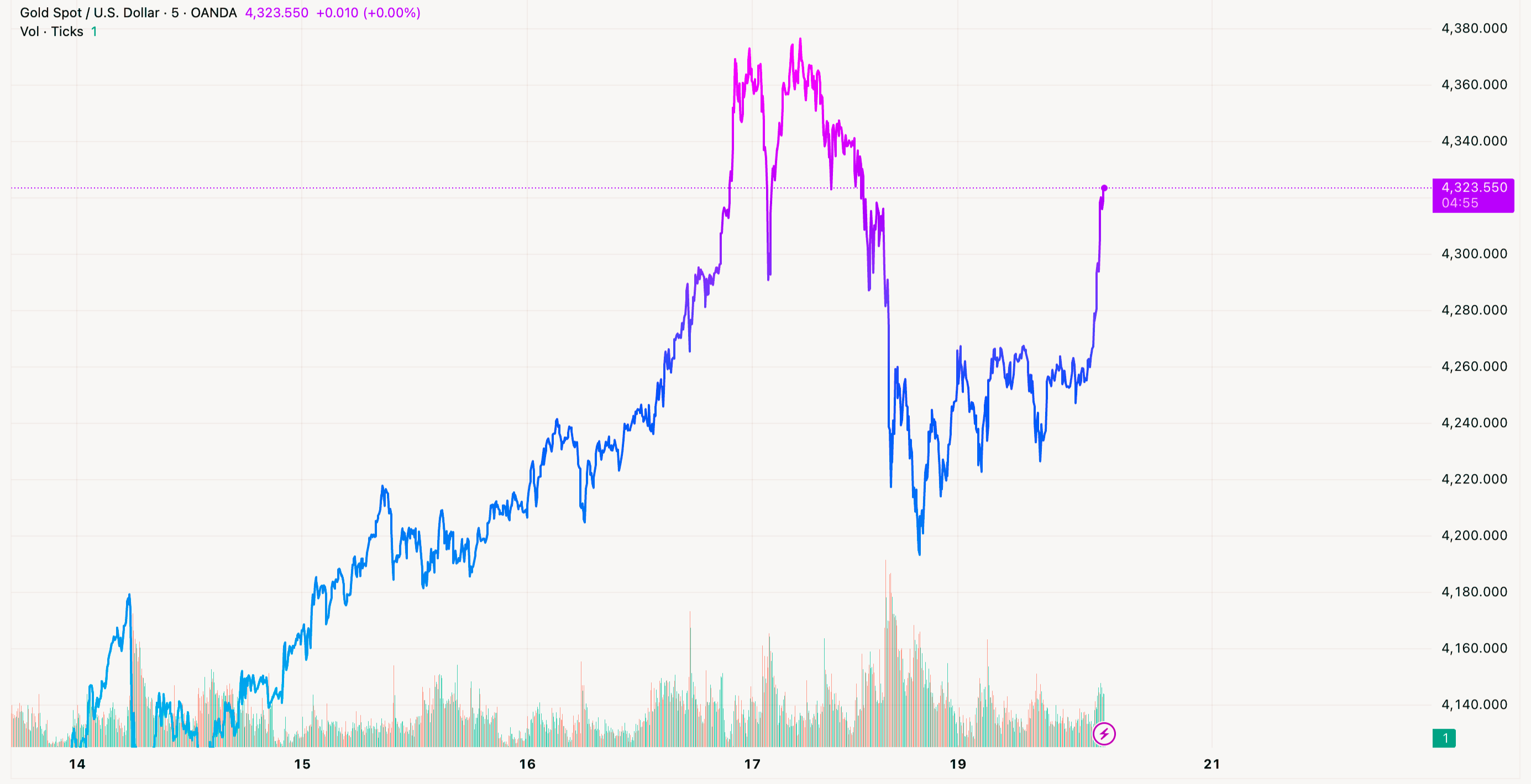
Chart of the gold price over the past week. It reached peaked of $4,375 on 17th October before dropping back to $4,200, showcasing how even a “safe haven” can be volatile in the short term. Chart: TradingView
For long-term investors, gold and silver can still play a useful role in diversification, especially during inflationary or unstable periods. But it’s worth remembering that even safe-haven assets aren’t immune to volatility. The recent boom reflects confidence in the metals’ value but also a nervous undercurrent running through global markets. When uncertainty drives demand, price swings can be just as fast on the way down.
💼 Unpacked
Forward guidance – When central banks communicate their future intentions to manage market expectations before any policy change.
IMF – The International Monetary Fund is an international financial institution and agency of the United Nations. They promote economic and financial stability to its 191 member countries by offering advice and assistance.
Technical Indicators – Technical indicators help traders predict future price movements. The signals are achieved through mathematical calculations involving historical prices and volume of trades. One example is a moving average. This calculates the average price of a security over a certain time period. Investors can use this to attempt to determine whether it is over or underpriced.
📣 Enjoyed this week’s issue?
If you found this useful, share it with a friend who’d appreciate a clearer take on what’s happening in the economy.
You can also subscribe to The Fiscal Compass to get weekly breakdowns like this straight to your inbox, and follow @thefiscalcompassofficial on Instagram for bite-sized explainers and economic insights throughout the week.
Headline image: Flickr