

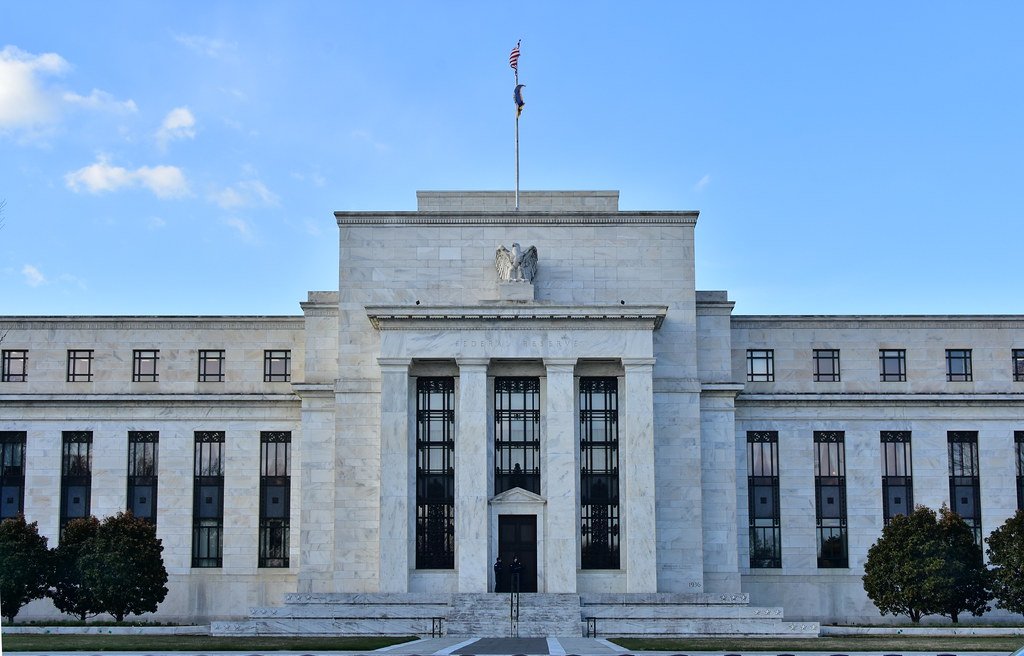
The latest economic data offers a mixed and increasingly uneasy picture. UK growth has stalled again, and policymakers are preparing to shift interest rate policy in response, and across the Atlantic the Federal Reserve is also loosening financial conditions. These developments show a strong expansionary focus by both central banks in a bid to correct some stalling indicators. Here are the details, and why they matter to you.
🇬🇧 UK GDP falls 0.1% in the three months to October
The UK economy shrank by 0.1% in the three months to October, undershooting expectations of a small expansion. While the headline figure is modest, it adds to the picture of an economy struggling to generate momentum.
The breakdown is telling. Services output was flat at 0.0%, a concern given the sector accounts for the vast majority of UK economic activity. Production fell by 0.5% and construction by 0.3%, suggesting weakness is spread across the economy rather than concentrated in one area. Growth is not just slow; it is fragile.
This sits uneasily alongside more encouraging survey data. Business activity indicators, including the recent uptick in PMIs, had pointed to improvement. The gap between those surveys and the official GDP data highlights how easily sentiment can improve before activity follows through. Firms may be feeling slightly more optimistic, but that optimism has yet to translate into higher output or investment.
Uncertainty ahead of the Autumn Budget also played a role. When major fiscal decisions are pending, businesses often delay investment and hiring, particularly with borrowing costs still elevated. Even small pauses, when replicated across the economy, are enough to flatten growth.
The implication is uncomfortable for policymakers. Weak output growth constrains tax revenues and keeps pressure on the public finances. It also complicates decisions for the Bank of England, which faces an economy showing signs of life in surveys, but little evidence of sustained growth in the hard data.
Bank of England Set to Cut Interest Rates
The Bank of England’s Monetary Policy Committee (MPC) is widely expected to reduce the base interest rate from 4.00% to 3.75%at its 18 December meeting. A Reuters poll of economists reported unanimous forecasts for a 25 basis-point cut, reflecting how recent economic data has shifted the balance of risks for policymakers.
Several factors are feeding into this shift. Inflation in the UK has been easing, with the latest headline Consumer Price Index running lower than earlier in the year, albeit still above the Bank’s 2 per cent target. At the same time, the economy unexpectedly shrinking in October and weakness in the labour market has pushed the BoE into this move. Rising unemployment and subdued wage growth are reducing inflationary pressures but also signalling softer demand across the economy. When inflation falls towards target and growth weakens, central banks typically feel more comfortable lowering interest rates to support activity without jeopardising price stability.
A cut to 3.75 per cent would be significant because it would mark the first reduction in several months and take borrowing costs to their lowest level in nearly three years. It follows the Fed’s decision to also cut rates in the US by 0.25, as both countries push for stronger growth.
For households and businesses, a lower Bank Rate means cheaper borrowing costs. Mortgage rates, business loans, and other forms of credit tend to follow the base rate, so more modest monthly payments could provide a modest boost to spending and investment. Conversely, savers are likely to see returns erode further. Even if only modest in scale, this anticipated cut provides a clearer signal that UK policy is shifting to support growth in the face of slowing activity.
🇺🇸 The Fed set to start buying Treasury bills
The US Federal Reserve is preparing to begin buying Treasury bills, a move that underlines a more proactive approach to supporting economic and financial conditions. Treasury bills are short-term government debt, and purchases of them increase liquidity within the financial system. This follows the interest rate cut as the Fed moves toward a strong expansionary position.
This does not amount to traditional quantitative easing. QE usually involves buying longer-dated bonds to push up their prices and push down borrowing costs across the economy. Treasury bill purchases are shorter-term and are designed to keep money markets functioning smoothly rather than to stimulate demand directly.
The timing is revealing. With interest rates still high and large volumes of US government debt being issued, the risk of strains in short-term funding markets has increased. By stepping in, the Fed is reducing the likelihood that those strains spill over into tighter credit conditions for households and firms.
Even without cutting rates, this is a broadly pro-growth signal. Easier liquidity supports market confidence and lowers the risk that financial frictions restrain lending or investment. Markets tend to respond to these underlying conditions as much as to headline rate decisions.
💼 Unpacked
QE and its Impact on Borrowing Costs
Quantitative easing (QE) is when a central bank buys government bonds to inject money into the economy. By increasing demand for bonds, QE pushes bond prices up and yields down (bond prices and yields are inversely related). Lower yields reduce borrowing costs across the economy, influencing mortgage rates, business loans, and government financing.
Yield Curve
The yield curve shows interest rates (or yields) on government debt (bonds) of different maturities (time frames), from short-term to long-term. Under normal conditions, longer-dated bonds pay higher yields than short-term ones because investors need to be compensated for tying up money for longer. When the curve flattens or inverts, it signals expectations of slower growth or future rate cuts, making it a closely watched indicator of economic health.
📣 Support The Fiscal Compass
If you found this useful, consider sharing it with someone who wants to make sense of the economic headlines. You can subscribe to The Fiscal Compass to receive future breakdowns straight to your inbox, and follow along on social media for short explainers, charts, and updates as stories evolve.
Instagram: @thefiscalcompassofficial
X (Twitter): @FiscalCompass
LinkedIn: Vinay Meisuria
Featured Image: Federal Reserve Board Building, Flickr