

The UK economy is beginning to show small signs of improvement. At least, that is the message coming from the government. A record budget surplus in January, borrowing running below forecasts across the financial year, and projections pointing to improving public finances have all been presented as evidence that the economy may be turning a corner.
At the same time, there’s the consensus view. Growth remains weak, inflation risks are re-emerging, and the labour market is softening. Financial markets, which tend to focus on what lies ahead rather than what has already happened, have reacted in a way that suggests continued caution.
This creates a clear tension. Are the government’s preferred metrics enough to signal a genuine improvement in the economy, or are they highlighting short-term positives that sit alongside a more fragile underlying reality?
Does the Government Have a Point?
Chancellor Rachel Reeves said in her Spring Statement that “this government is building a stronger and more secure economy that makes every part of Britain better off.” The strongest support for this view comes from the public finances, which have shown some notable improvements in recent data releases. In January 2026, the UK recorded a budget surplus of around £30.4 billion, the largest monthly surplus since records began in 1993. This was driven primarily by strong self-assessment tax receipts, which are typically concentrated in January but still came in higher than expected.
Looking at the broader fiscal year, borrowing has also been running lower than in the previous year. By January, borrowing stood at approximately £112 billion for the financial year to date, around £14.6 billion less than the same period a year earlier. As a share of GDP, borrowing has edged down, suggesting some improvement in the government’s fiscal position even after accounting for inflation and economic size.
The government has leaned on these figures to argue that its economic approach is beginning to deliver results. In the Spring Forecast, HM Treasury said borrowing is down £18 billion compared to Autumn, with the Office for Budget Responsibility forecasting it will fall from 4.5% of GDP this year to around 1.9% by the end of the decade. Fiscal headroom against the government’s rules is also estimated at roughly £23–24 billion. The broader message is that stability is returning to the public finances after several years of elevated deficits and shocks.
There is a logic to this argument. Stronger tax receipts can indicate resilience in incomes and corporate profits. Lower borrowing reduces the pace at which debt accumulates and can ease pressure on future tax or spending decisions. For households, this matters in a practical sense. A more stable fiscal position can reduce the likelihood of sudden policy changes, whether through tax increases or spending cuts, and can support confidence in the wider economy.
However, the strength of this case depends on how representative these figures are of underlying economic conditions. January is consistently the strongest month for government finances because of the tax calendar. The surplus, while record-breaking, reflects both structural and seasonal factors. It captures a moment in time rather than a sustained trend.
There is also the question of scale. Despite the improvement, public sector debt remains close to 93% of GDP, a level last seen in the early 1960s. Borrowing, while lower than last year, is still historically high in absolute terms. These are not the conditions of a fully repaired fiscal position. They are closer to a situation where pressures have eased slightly but remain significant.
That distinction matters because it shapes how much weight should be placed on recent improvements. The public finances may be stabilising, but stabilisation alone does not confirm that the wider economy is strengthening in a meaningful way.
The Broader Economic Picture
When the focus shifts from government accounts to the wider economy, the picture becomes less convincing.
Economic growth remains weak. Recent data show the UK economy has been largely flat, with only marginal increases in output over recent months. Weak growth limits income gains across the economy, reduces incentives for business investment, and makes it harder for productivity improvements to take hold. It also constrains the government’s ability to generate tax revenue in a sustainable way, which feeds back into the fiscal outlook.
The labour market, which had previously been a source of resilience, is also beginning to show signs of cooling. Forecasts from the Office for Budget Responsibility suggest that unemployment will rise modestly over the next year, reflecting weaker demand for workers. Slower wage growth is expected as well, which may help reduce inflation but also limits real income growth for households.
Inflation remains a central concern. Earlier expectations that inflation would continue to fall steadily have been disrupted by developments in global energy markets. The escalation of conflict in the Middle East has pushed up oil and gas prices, increasing the likelihood that inflation will remain above target for longer than previously expected.
This has direct consequences for households. Rising wholesale energy prices are expected to feed through into higher household bills later in 2026, with estimates suggesting increases of more than £300 per year. These increases do not occur in isolation. Higher energy costs raise the price of transport, food production, and a wide range of goods and services, which then feeds into broader inflation.
The combination of weak growth and persistent inflation creates a difficult environment. For policymakers, it limits the scope to support the economy without risking further inflation. For households, it reduces purchasing power and increases financial pressure, particularly for those with mortgages or other forms of debt.
There is also an external dimension to consider. The UK is particularly exposed to global energy prices due to its reliance on imported gas. This makes it more sensitive to geopolitical shocks than some other major economies. As a result, developments outside the UK can have a direct and immediate impact on domestic inflation and economic conditions.
Taken together, these factors suggest that the broader economic environment remains fragile. The public finances may show improvement in certain months, but the underlying drivers of growth and inflation have not yet shifted in a way that would support a strong or sustained recovery.
What Markets Are Telling You
Financial markets provide a useful way to bring these conflicting signals together because they reflect expectations about the future rather than just current conditions.
In recent weeks, UK government bond yields have risen sharply. The yield on 10-year gilts has moved above 5%, reaching levels not seen since before the global financial crisis. Shorter-term yields have also increased, reflecting a shift in expectations about the path of interest rates.
This movement is significant because gilt yields influence borrowing costs across the economy. When yields rise, it becomes more expensive for the government to finance its debt. That, in turn, can lead to higher taxes or reduced spending over time. For households, higher yields feed through into mortgage rates, increasing monthly payments and reducing disposable income.
The drivers of this shift are closely linked to the broader economic picture. Rising energy prices have pushed up inflation expectations, leading markets to reassess the likelihood of interest rate cuts. Instead of expecting policy to loosen, markets are now pricing in the possibility of further rate increases.
At the same time, recent fiscal data have reinforced concerns about volatility in the public finances. February borrowing came in at £14.3 billion, significantly above expectations, following the large January surplus. This shift highlights how quickly fiscal conditions can change, particularly when debt interest costs are rising.
There is also a structural element to market concerns. The UK’s level of public debt, combined with its reliance on external financing and sensitivity to energy prices, makes it more vulnerable to shifts in investor sentiment. When global conditions deteriorate, UK assets can come under greater pressure than those of some other advanced economies.
For households, higher borrowing costs can translate into higher mortgage rates and reduced availability of finance. They can also limit the government’s ability to provide support during periods of economic stress.
Taken together, market signals suggest that investors are not yet convinced by the narrative of a clear economic improvement. Conditions may be stabilising, but expectations remain cautious, particularly given the ever-evolving situation in the Middle East impacting energy costs and pushing inflation risks.
Who’s Version is Most Accurate?
There are signs of improvement in parts of the UK economy, particularly in the public finances. A record monthly surplus and lower borrowing compared with last year indicate that conditions have not deteriorated further and may be stabilising.
At the same time, the broader economic picture remains uneven. Growth is weak, inflation risks have returned, and financial markets are signalling continued concern about borrowing costs and future policy. These factors matter more for the direction of the economy than any single month of fiscal data.
The UK may be moving towards a more stable position after a period of sustained pressure. That is a meaningful shift. However, the evidence suggests that stability has not yet translated into a clear and sustained recovery, and the coming months will depend heavily on how energy prices and broader inflationary pressures evolve.
💼 Unpacked
Public sector net borrowing
The amount the UK government needs to borrow over a given period, usually a year, because its spending exceeds tax revenues. It is effectively the budget deficit and shows whether government finances are improving or deteriorating in the short term.
Public sector net debt
The total amount the UK government owes, built up over years of borrowing. It is usually shown as a percentage of GDP to indicate how large the debt is relative to the economy and how sustainable it may be over time.
Gilt yields
The interest rates on UK government bonds. When yields rise, it means borrowing is becoming more expensive for the government. This often feeds through to higher mortgage rates and loan costs across the wider economy. Bond yields move inversely to bond prices. When demand for bonds drops, prices fall, and yields rise.
📣 Support The Fiscal Compass
If you found this insightful, consider sharing with friends or colleagues. For weekly economics-led takes on markets, policy, and macro trends, subscribe to The Fiscal Compass.
Follow along on social media for concise updates throughout the week:
Instagram: @thefiscalcompassofficial
X: @FiscalCompass.
LinkedIn: Vinay Meisuria
Sources
UK public sector finances, January 2026, Office for National Statistics (ONS)
HM Treasury Spring Forecast / Statement 2026
Spring Forecast, parliamentary statement
Office for Budget Responsibility forecasts
UK public sector finances, February 2026, Office for National Statistics (ONS)
UK 10 year gilt yield, Trading Economics
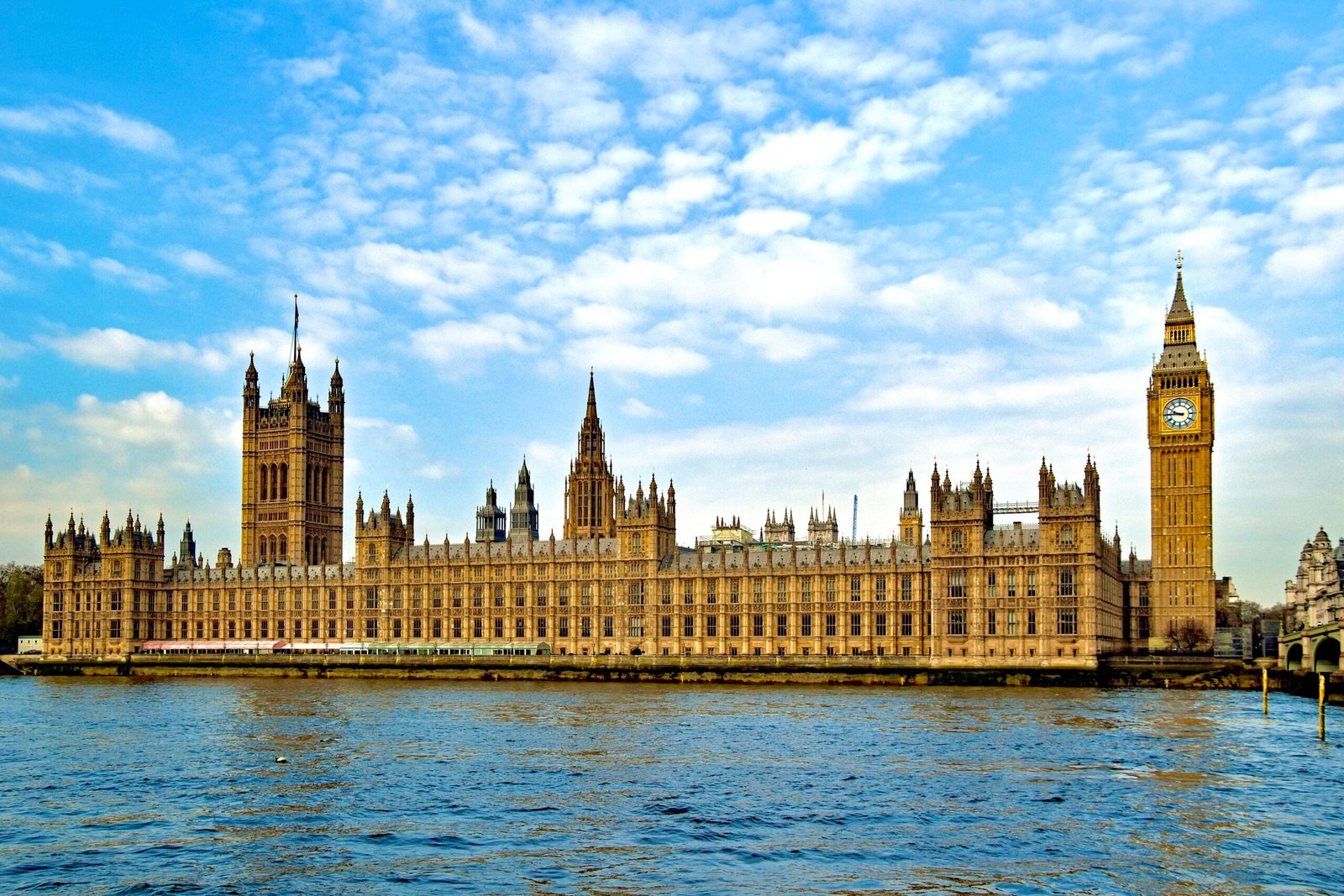
Featured Image: Houses of Parliament, Wikimedia Commons